As winter starts to lift across Lincoln, the dirt it leaves behind doesn’t just blow away. Carpets in busy buildings often take the worst of it. Days of snow, slush, salt, and gravel build up fast, especially near entrances. That wear shows up quickly, whether it’s discoloration, frayed fibers, or patches that feel matted and rough.
The good news is that there are smart ways to limit the damage without redoing every floor. Using interior maintenance flooring in Lincoln buildings helps protect your carpet where it counts. It creates a buffer at the right points, keeping heavy messes from reaching the main areas too quickly. That simple setup goes a long way in cutting back on cleaning and stretch-out damage over time.
Common Carpet Damage During Winter and Early Spring
Cold weather doesn’t let up easily in Nebraska. Even into early spring, we still see salt tracked inside from sidewalks. That salt might help outdoors, but on carpets it’s harsh. It breaks down carpet fibers and leaves marks that are tough to clean.
Grit from snow piles or parking lots is another problem. When that mixes with melting water from boots, it doesn’t stay on the surface. It gets pushed into the base of the carpet, scraping away softness with every step. That kind of grind doesn’t show up right away, but over time, it works like sandpaper underfoot.
Heavy moisture from soaked shoes leads to deeper issues too. Wet fibers stay damp longer in colder months, and that makes it harder to keep carpet smelling fresh. It can also wear out the underpadding early, especially in entryways where puddles collect.
What Is Interior Maintenance Flooring and How It Works
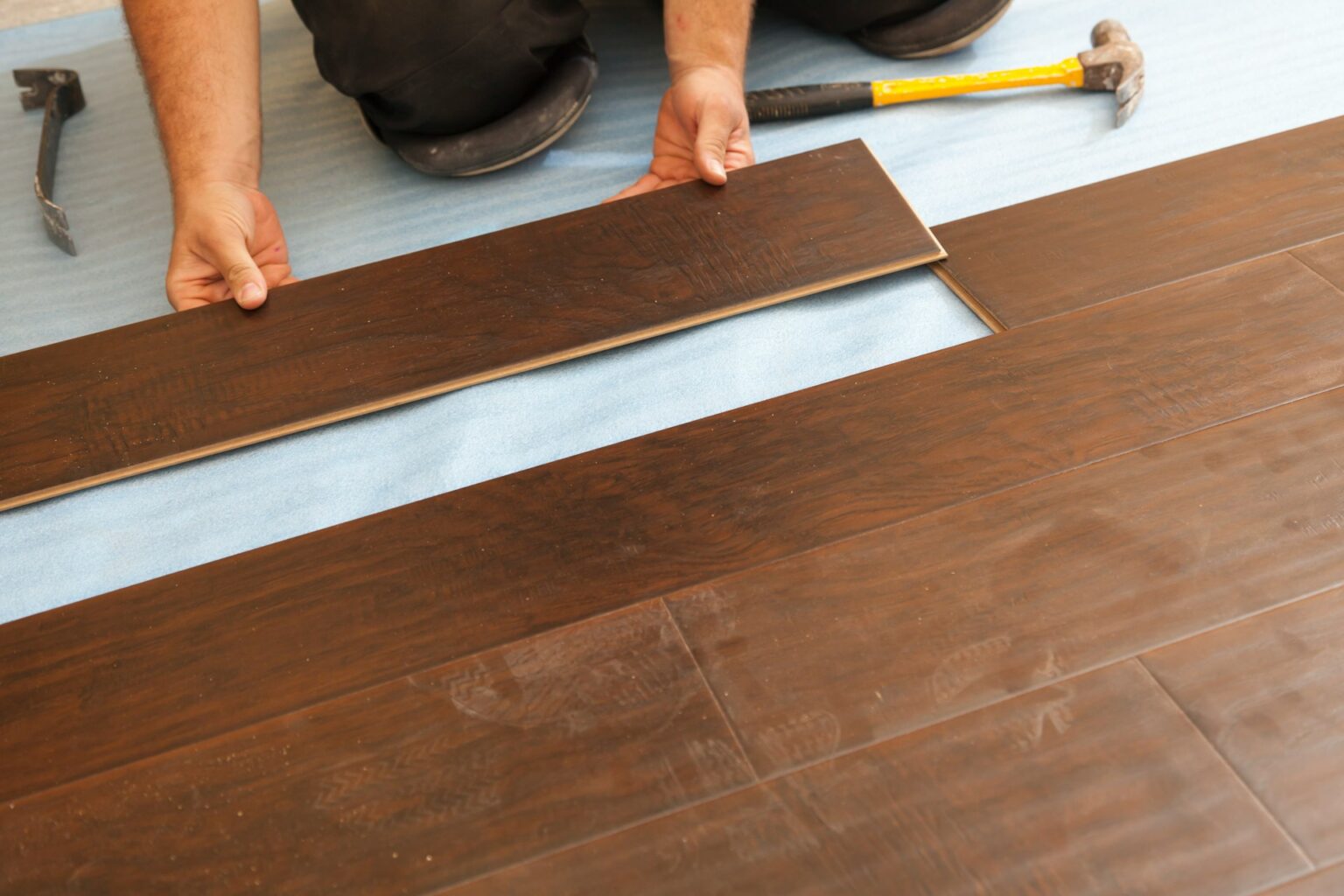
Interior maintenance flooring has one job, take the hit before your carpet does. It includes things like entry tiles, walk-off mats, or underhanded transitions placed just inside doors or high-use indoor spots.
Floors Inc. offers interior maintenance flooring products featuring both matting systems and modular tiles made for high-traffic Lincoln buildings. These options are designed to trap dirt and absorb moisture, reducing damage during Nebraska’s changing seasons.
These zones catch most of the water, grit, and salt before it makes it far into your building. They act like a sponge and scraper in one. As foot traffic moves across different surfaces, each one removes a layer of the mess so your main flooring holds up better. Instead of having that load fall on the regular carpet, these materials take on the pressure and get cleaned more often.
It’s not about stopping everything completely. What we’re doing is reducing the problem early so less cleaning is needed later. That keeps public areas looking better without needing to deep clean or fix fringe damage all the time.
Best Placement Locations for Protection
Knowing where to place interior maintenance flooring makes all the difference. Even a high-quality mat won’t help much if it’s tucked off to the side. For most commercial buildings, here’s where we tend to put the buffer layers:
- Right inside main and side entrances, where outdoor debris first tracks in
- In connecting hallways with constant traffic between offices or shared spaces
- Outside restrooms, where water and soap spills are frequent
- Around break areas or coffee spots that tend to drip or scatter crumbs
- At elevator lobbies or landings, where people pause and shuffle their feet
These high-traffic zones are where buildup happens the fastest. The more people stop, turn, or wipe their shoes there, the better chance we have of blocking damage before it spreads.
How Cleaning and Maintenance Improve Results
Protective flooring works best when it stays clean. If buffer zones get clogged with grit, they stop doing their job. But the upside is that it’s much easier to clean a small tile zone or rubber inset than an entire carpeted hallway.
Basic vacuuming or a once-over with a mop can pull a lot of that daily buildup off protective flooring. That quick fix buys your main carpet more time between deep cleans. In most cases, staff can clean these zones more often without extra time since they’re right at known trouble spots.
By simply keeping those areas clear, you avoid more fiber breakdown down the line. Dry materials wear slower than damp ones, and getting salt off early saves both color and texture. Long term, the carpets around these buffer spots show fewer stains and hold their volume better.
Using the right kind of interior maintenance flooring in Lincoln also reduces the need for full carpet replacement. By absorbing and filtering out the roughest use, these placements help the main flooring stay serviceable for more seasons before wear shows in bulk.
Floors Inc. can manage all phases of the commercial flooring process in Nebraska, from evaluation and product selection to installation and maintenance planning.
Choosing Materials That Match Commercial Needs
Not every building handles foot traffic the same way. A medical building downtown isn’t going to get the same wear as a high school gym or office entry near a bus stop. Because of that, materials should match the actual use of the space, not just the look.
- Look for dense, low-pile options in high-use areas. These trap less debris and don’t flatten as quickly
- Choose materials with slip-resistant backing so they stay in place under regular traffic
- Select colors that mask debris but still blend in with the building design, dark grays, charcoal, mid-tone patterns, and textured neutrals tend to hide wear the best
- During late winter and early spring, it helps to go with surfaces that handle wet shoes and melting ice efficiently without getting soggy or brittle
A good maintenance floor doesn’t draw attention to itself. It just works, quietly taking in the mess so your main carpet doesn’t have to.
Better Floors, Longer Life, Less Work
Carpet wears out, but how fast that happens depends a lot on what hits it every day. Often, it’s not the fabric that fails first. It’s the traffic, the dirt, and the spots that get no break in bad weather.
Protective flooring isn’t flashy, but it plays a big role in keeping things cleaner and easier to maintain. When we plan ahead and place the right materials in the right spots, carpets last longer. That means less repair, fewer replacements, and spaces that stay looking good through more seasons.
By paying closer attention to how people move through your building, especially during Lincoln’s long winters, it’s easier to protect what’s underfoot. Carpets don’t need to lose quality early, and small upgrades in traffic zones can stretch their life in a big way.
Carpet protection starts with the right foundation, especially during Lincoln’s unpredictable weather transitions. At Floors Inc., we focus on strong placement, regular upkeep, and selecting materials that help floors look better for longer. We’re committed to practical solutions designed for high-traffic entry zones and transition areas. To discover how we support carpet protection with interior maintenance flooring in Lincoln, contact Floors Inc. today.