As snow starts to melt across Omaha, the shift in seasons can pose serious problems for commercial flooring. What seems like harmless slush can seep into floors, damage adhesives, and turn entryways into safety risks. Even a small amount of lingering moisture can create larger issues if it gets trapped beneath surfaces.
Once the ground is thawing and the freeze-thaw cycle starts to slow, interior surfaces need protection from both water and the residue winter leaves behind. Moisture remediation flooring in Omaha helps us stay ahead of those risks by creating a barrier that holds up when water doesn’t stop at the door.
How Melting Snow Causes Flooring Problems in Omaha
Melting snow rarely stays where it lands. In high-traffic spaces like lobbies and hallways, it’s easy for snow and ice to be carried in on boots. Once inside, moisture doesn’t just sit on top, it soaks into weak spots or runs toward the walls where it hides out of sight.
- Snow turning to water can settle into cracks or the seams of flooring, especially around doors and mats
- Salt and de-icing agents often leave a chemical layer that breaks down surface finishes or wears adhesive bonds
- Freezing and warming throughout the day pushes moisture deeper into subfloors, making repairs harder and more expensive down the road
Those cycles repeat often during March. It’s not just about how much snow falls, but what it does when it leaves.
Signs Your Floor Might Need Moisture Attention
Sometimes the damage shows up slowly. Other times, it’s right in front of us. Either way, knowing what to look for saves time and limits long-term problems.
- If some spots feel softer or give slightly when stepped on, it could be moisture trapped under foot traffic zones
- Curling edges or released glue-down tiles are often signs that water has broken the bond underneath
- Musty or sour smells coming from carpet or hard flooring could point to mold or trapped water in the underlayers
- Bubbling or lifted sections in vinyl, tile, or laminate areas usually mean moisture is stuck between the layers
Early signs aren’t always dramatic, but they tend to spread fast. It’s easier to act on a soft corner now than redo an entire hallway later.
What Moisture Remediation Flooring Solutions Actually Do
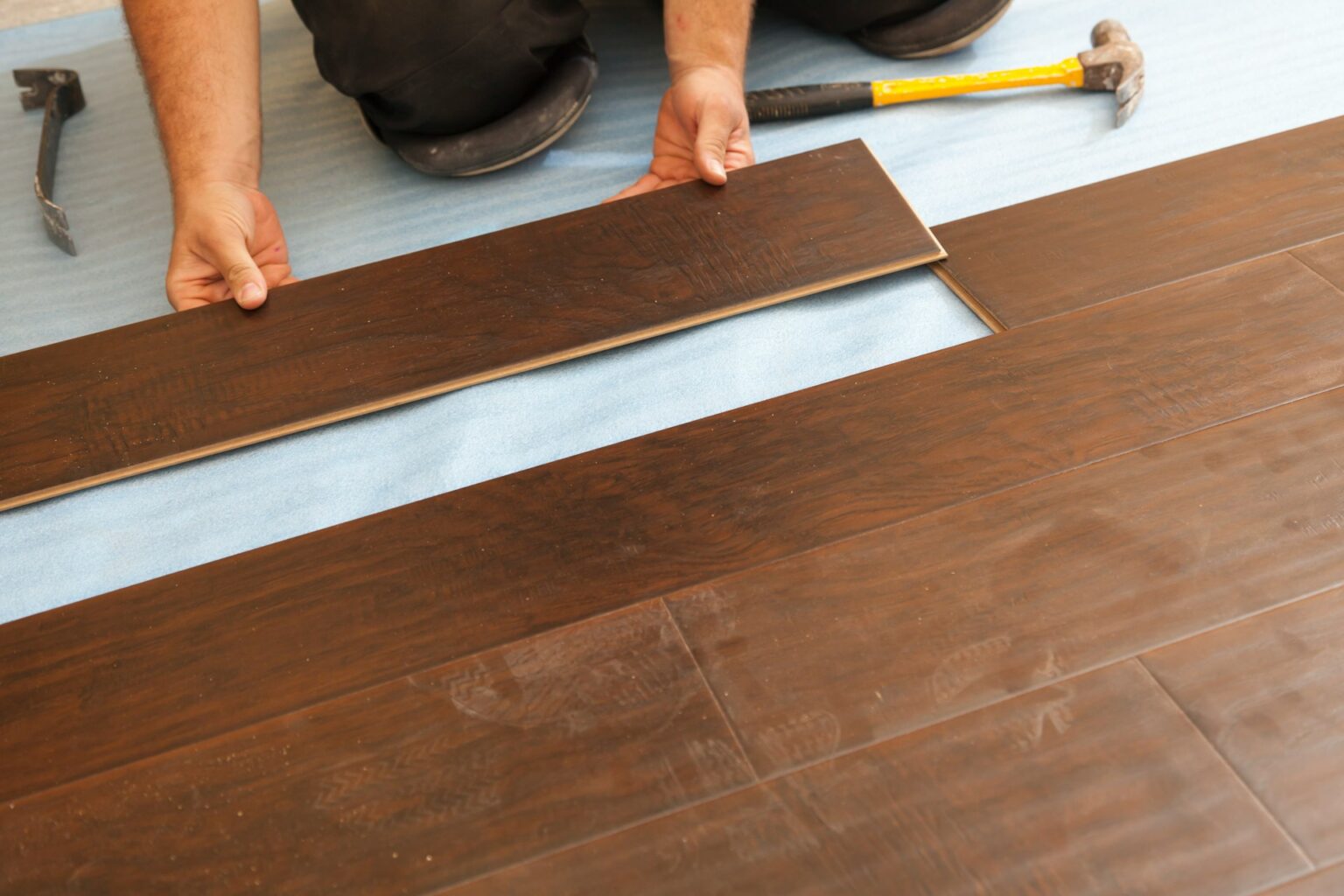
A moisture remediation system isn’t just a surface fix. These materials and methods are meant to protect a floor from the bottom up. It starts well before the first tile is laid.
- We test the base surface for moisture so the new floor has a dry, stable foundation
- Moisture-blocking adhesives and vapor barriers are used to hold up against water exposure over time
- These systems help slow or stop the growth of mold under flooring, especially in closed-up spaces without much airflow
- When done right, they give flooring a longer wear life by keeping layers secure and clean underneath
It’s not only about resisting water from above. These types of floors are built to shield against moisture rising from below as well.
Floors Inc. offers a dedicated moisture remediation flooring service in Omaha, including moisture mitigation testing and the installation of vapor barrier underlayments to meet the unique needs of regional properties.
Matching the Right Materials to Omaha’s Late Winter Weather
Omaha weather in late winter brings melting snow one day and hard freezes the next. That kind of up-and-down can wear out finishes fast. We plan for that by picking flooring that holds up where the trouble shows first.
- Entry areas get the worst of it, so slip-resistant surfaces are important. They help dry faster and give safer footing after snow gets tracked inside
- Sealed flooring like rubber-backed vinyl or epoxy systems work well in hallways that see frequent cleaning or wet mop traffic
- Rooms with sinks, heat vents, or plumbing, like break areas and restrooms, need extra sealing around joints and floor drains
- Carpet tiles still work in some spaces as long as they sit on moisture-controlled backing to keep seepage from getting trapped below
Matching the material to the moisture pattern helps predict how that floor will hold up during long, wet transitions from winter to spring.
Our team at Floors Inc. specializes in selecting, installing, and managing a full range of moisture-resistant flooring products from leading brands, with solutions designed for high-traffic Omaha commercial spaces.
Timing an Install Before Spring Weather Shifts
Spring doesn’t always arrive gently. In Omaha, we can go from below freezing to full thaw in under a week. That rush of melt can cause floor problems before anyone notices.
- By mid-March, temperature swings often mean more water pushing against building exteriors and creeping indoors
- It’s a smart move to plan installs or flooring updates before spring really kicks in, since pressure from thawed ground builds quickly
- Well-timed installs help avoid sudden moisture getting trapped beneath new flooring. We factor in drying time so adhesives and sealants can set properly
- Planning space by space, especially entry spots, helps reduce disruptions. Traffic detours and drying schedules are easier to manage when that work stays ahead of the heavy melts
A quick install rushed through a wet week is more likely to fail. The schedule matters just as much as the material.
Protect Entry Zones Before Spring Fully Arrives
Melting snow might not look like much, but the damage it causes shows up long after it’s gone. Moisture settles into small spaces and doesn’t always dry fully, especially inside commercial buildings with more heat and foot traffic.
Using moisture remediation flooring in Omaha helps break that cycle. It holds up through wet transitions, salt exposure, and the harsh edge of winter’s end. By spotting problems early, using materials built for the weather we get here, and timing work right, we give floors a better chance to last longer with fewer problems.
Early spring means more water, more mess, and more ways for flooring to break down. Protecting walkways, entries, and break areas now makes a difference when April rolls in. Spaces stay cleaner, safer, and less prone to damage long after the thaw is done.
Snowmelt can bring water concerns to commercial buildings in Omaha, so we’re here to help address potential issues before they cause long-term damage. Our team focuses on keeping your floors dry and stable as weather shifts and foot traffic increases. March is the ideal time to assess entryways, break rooms, and high-use areas for signs of trapped moisture. Discover how moisture remediation flooring in Omaha can deliver a safer, longer-lasting solution for your business. Contact Floors Inc. today to discuss the right approach for your space.