Static electricity might not be the first thing that comes to mind when thinking about your building’s flooring, but it can quickly become a problem if left unchecked. Between the shock you feel touching a doorknob and more serious issues like damaging sensitive electronics, static buildup can have a real impact in a commercial space. When floors aren’t properly chosen or maintained, that threat grows, especially in spaces like data rooms, labs, offices, and healthcare facilities.
For buildings in Lincoln that go through autumn and dry winters, the risk climbs even more. Air tends to be less humid in colder months, which makes static buildup more likely. That’s why it’s helpful to understand what causes it and how the right flooring decisions can keep your space safe and easy to manage year-round.
Understanding Static Electricity
Static electricity happens when two surfaces rub together and transfer electrons. That little zap you feel when you shuffle across carpet and touch metal? That’s static discharge. In a home setting, it’s annoying. In a commercial space, it can lead to safety issues, damaged equipment, or even fire risk around sensitive gear. Places like server rooms, medical labs, and office buildings with a high number of electronic devices are more likely to deal with this.
Here are some common causes of static in indoor spaces:
– Low humidity levels, especially during the fall and winter months in dry climates
– Frequent movement of carts, chairs, or foot traffic over synthetic flooring
– Lack of surface treatments that reduce conductivity
– Improper cleaning routines that leave residues, increasing static charge buildup
In commercial environments like those in Lincoln, cold seasons bring not just holiday decorations but drier air from both outdoor conditions and indoor heating systems. One facility manager at an office complex may not notice a problem during summer, but by January, workers could be commenting about getting zapped every time they touch their desks or door handles.
The good news is static isn’t random. You can plan for it and stop it from being a regular issue just by understanding structural surroundings, flooring materials, and upkeep habits. Installing the right flooring, using the right finishes, and keeping an eye on indoor conditions are the first steps.
Material Choices And Treatments
Not all flooring is created equal when it comes to static. Some types hold onto electrical charges more than others. If you run a space with computers, medical equipment, or anything sensitive to electrical discharge, then you’ll want to make smarter material choices starting from the floor up.
Look for these flooring materials to reduce static buildup:
– Rubber flooring with anti-static properties
– Static-dissipative vinyl
– Carpet tiles specifically designed with conductive fibers
These materials are built to either resist the buildup of electric charges or safely direct the charge to ground instead of letting it discharge through a person, object, or piece of equipment.
In addition to material selection, surface treatments can also help. Anti-static waxes and coatings provide an extra layer of protection. These coatings aren’t permanent but can reduce the risk of static for weeks or months when paired with regular maintenance.
A good idea many property managers follow is pairing static-friendly flooring with anti-static mats or grounding elements under desks, near elevators, and around printers and electronics. These additions catch static energy where it’s likely to form and stop it before it causes damage.
Choosing the right floor and protecting it with the right post-install treatments helps you stay ahead of the problem. The trick is knowing where static is likely to show up, especially during drier months, and prepping your space to handle it.
Environmental Control And Maintenance
Even with the right flooring in place, keeping control of the indoor environment is key to managing static. In Lincoln, this becomes more important during the colder months, when heating systems run frequently and humidity drops. Dry indoor air creates perfect conditions for static electricity to build up and stick around.
One of the easiest ways to prevent this is monitoring humidity levels. Commercial spaces should avoid letting conditions get too dry. Running a commercial-grade humidifier or using HVAC systems with integrated humidity controls is a smart way to reduce static from the air down.
Cleaning methods can also play a big role. Using the wrong chemicals or letting too much buildup occur can weaken anti-static surface protections and limit the effectiveness of treatments. Here are some tips to maintain a static-free space:
– Use anti-static floor cleaners suited to the materials in place
– Avoid detergents that leave a film or residue
– Stick to routine cleaning schedules, focusing on high-traffic zones
– Keep entry areas clear to cut down on dirt and debris tracked inside
– Run commercial humidifiers throughout dry months
Watch for things like scratches, worn sections, or gaps in coatings. Even small spots of damage can change how a floor performs against static. Keeping inspections on a calendar and acting on signs of wear early helps extend the life and safety of your floors.
Professional Solutions And Installation
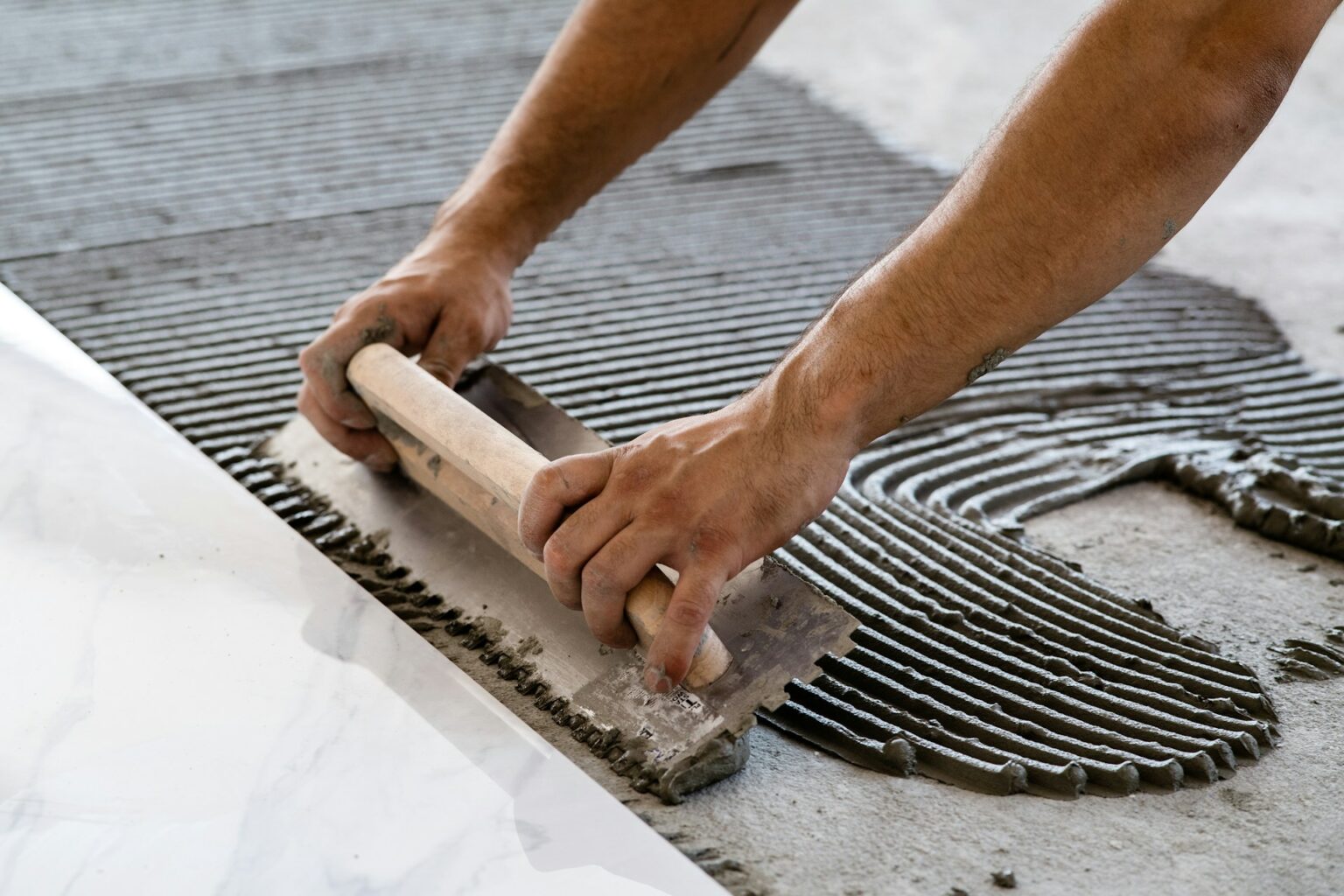
Getting ahead of static problems starts long before the floor is in use. It begins with how it’s installed. Professional installers consider much more than looks. They account for building use, layout, powered equipment, and seasonal humidity. When any of these factors are overlooked, the result can be a floor that actually attracts static rather than reduces it.
In Lincoln, hiring teams experienced in commercial flooring services gives your business a big advantage. These installers know how to work with materials that perform well across both mild and dry seasons. More importantly, they know how to:
– Select materials based on the actual use of the space
– Apply adhesives and surface treatments in the correct order
– Finish seams and transitions without creating spots of static buildup
– Connect the flooring system to grounded reference points in the structure
Skipping those steps or relying on basic installation methods could mean costly rework later. For example, if static-dissipative vinyl is laid over a floor without proper grounding, it won’t work as planned. This can actually put sensitive equipment at more risk than before. Working with professionals eliminates the guesswork and makes sure your floors are ready for both daily use and seasonal shifts.
These teams also help with post-install tips like which cleaners to use, what coatings work best, and how frequently to check each area. That keeps your floor low-static and long-lasting, even after years of use.
Static-Free Spaces Make Everyday Work Easier
Preventing static electricity doesn’t need to be complicated. When your materials, air quality, and maintenance all support each other, static becomes a problem of the past.
In places like Lincoln, managing the effects of long, dry winters is part of running a reliable work environment. By staying ahead of static buildup, businesses protect their equipment, boost comfort for their staff, and improve everyday function across teams.
When flooring choices are made with care, when air systems keep things from drying out, and when expert installers do the job right, static gets taken out of the equation long before it interrupts anything. That means fewer surprises and more peace of mind while your operation keeps moving.
To effectively manage static electricity and keep your workspace safe and comfortable, make sure your flooring and indoor systems are working together. Take a look at our commercial flooring services in Lincoln for a solution that fits your specific needs. At Floors Inc., we specialize in creating low-static environments with expert flooring installation and care that supports your long-term goals.