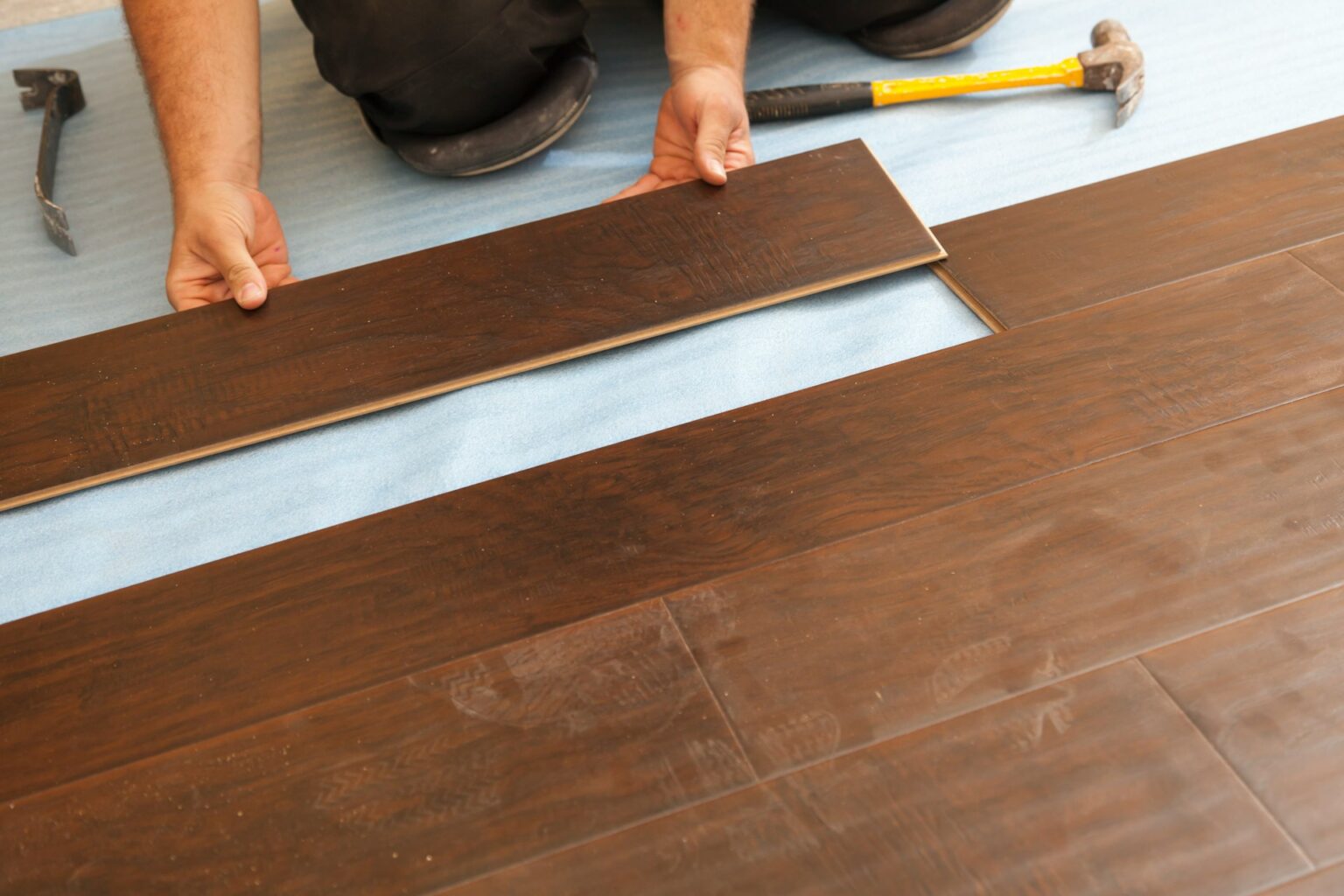
When flooring emergencies hit a commercial space, they don’t wait for a convenient time. A burst pipe, unexpected cracks, or a sudden trip hazard can affect daily operations fast. Quick solutions can make a big difference when it comes to keeping employees safe and business running. Summer brings added foot traffic to many buildings in Lincoln, which can put even more pressure on already stressed surfaces. Knowing how to react in these moments can prevent a small issue from becoming a much larger one.
Whether the issue is isolated to one room or a larger section of your facility, how you respond within the first few hours matters. Planning ahead and having a basic understanding of what counts as an emergency helps you stay ready. The goal isn’t just fixing the problem. It’s about finding safe, quick steps that allow teams, visitors, and customers to stay focused and protected.
Identifying Common Commercial Flooring Emergencies
Not all damage is urgent, but when flooring problems start to interrupt business or create safety concerns, it becomes an emergency. These situations can escalate quickly if not handled early.
Some of the most common flooring emergencies show up in places you wouldn’t expect. Spilled liquids that seep under vinyl, old tile lifting at the corners, or heavy equipment causing dents in rubber flooring can all create hazardous conditions. Weather can also play a part. Storm-related leaks or high summer humidity in Lincoln may cause flooring materials to buckle or swell.
Here are a few red flags that often point to a flooring emergency:
– Pooled water or moisture under the surface
– Cracking noises or sudden texture changes underfoot
– Loose, shifted, or curling tiles, especially at entry points
– Carpet bubbles or ripples that appear suddenly
– Surface damage that exposes sublayers or adhesives
Early detection can prevent injuries and bigger repair bills. If any of these signs show up, it’s smart to act quickly instead of waiting for the situation to get worse.
Immediate Steps to Take When Facing a Flooring Emergency
Once you spot a flooring emergency, you’re not powerless, but you do need to act fast. The first few steps can reduce safety risks and slow down the spread of damage.
Start by protecting anyone using the space. Block the affected area with caution tape, signs, or cones. If the problem involves water, locate the source and stop it if possible. Use towels, floor mats, or a wet vacuum to remove visible moisture. If a tile is broken or loose, mark the spot with something easily seen and instruct others to avoid it.
It’s also important to alert others. Communicate with your team quickly and clearly so everyone understands what’s happening and what to avoid. Keep a short record of the initial damage, including photos if possible.
Here’s a helpful checklist to guide your first response:
1. Close off the affected area to stop traffic
2. Identify the source of the issue (leak, crack, etc.)
3. Clean up any visible liquid or debris
4. Contact your building maintenance or facility team
5. Document what you observe with photos and notes
6. Reach out to a commercial flooring installer for expert help
These small steps can help prevent accidents and reduce downtime until professionals arrive.
Quick Repair Solutions and Temporary Fixes
When you’re waiting on professionals, some short-term solutions can minimize disruption and keep the space manageable.
Having a few basic materials on hand can help. Useful items include caution signs, industrial tape, temporary mats, flat boards, or cones. A rolled rug or a flat panel can be placed over damaged areas to prevent tripping. If a carpet bubbles and can’t be fixed immediately, weigh it down and highlight it with a visual warning.
Here are several simple fixes that can help stabilize the area fast:
– Tape down lifted tiles or loose flooring edges to avoid tripping
– Use bright caution signs to mark danger zones
– Place weight on loose floor elements to reduce curling or movement
– Cover cracks in hard surfaces with sturdy boards to allow traffic to reroute
– Redirect foot traffic away from major walkways if needed
These fixes are meant to buy time. They’re not permanent and shouldn’t be used in place of a full professional repair.
For instance, during a quick summer storm in downtown Lincoln, water leaked into a hallway. The building manager quickly blocked off the space, used shop towels to stop puddling, ran fans near the baseboards, and called in a flooring team immediately. Within hours, water-damaged planks were pulled and replaced, and the space was back in use with minimal interruption.
Partnering with Professionals for Permanent Solutions
Once the damage is under control, it’s time to involve a team experienced in commercial flooring installation in Lincoln. While temporary fixes hold things together, they don’t get to the root of the problem.
A professional flooring team handles it all: inspection, planning, removal, installation, and cleanup. They’ll perform a full walk-through, assess any deeper issues like subfloor rot or adhesive failure, and recommend repair options that work for your operations.
Here’s what a reliable repair process usually looks like:
– Identify and remove damaged flooring
– Check moisture levels and drying needs
– Prep and replace using durable, traffic-ready materials
– Track progress with useful documentation for your records
– Reopen the space clean and safe for everyday use
In Lincoln, professionals understand local building structures, seasonal risks, and daily business needs. That makes it easier to put together a plan that meets your timeline and avoids more downtime than necessary.
Ensuring Future Emergency Preparedness
The fastest way to fix an emergency is to prepare for it before it happens. Keeping a regular maintenance routine can uncover small problems before they cause a major shutdown. Visual checks of seams, tiles, and high-traffic areas can go a long way.
Build routine inspections into your maintenance cycles. Walk through busy areas like lobbies, hallways, and breakrooms to check for signs of wear. Work with your cleaning team to confirm that any cleaning chemicals or equipment used won’t damage the laminate, tile, or carpeted surfaces over time.
Here are some ways to stay ready:
– Check floors near entrances and elevators monthly
– Add basic flooring checks to your general maintenance schedule
– Use protective floor mats near entries and workstations with heavy wheels or foot traffic
– Store supplies like signs, cones, and tape in convenient locations
– Keep your flooring vendor’s contact info easily accessible for staff
Planning ahead saves time and money. And when something does go wrong, staff and visitors know what to expect and how to respond.
When Fast Fixes Are Not Enough, Professional Help Makes the Difference
Quick action during a flooring emergency helps. Temporary fixes limit risk, but lasting peace of mind comes from expert help. Lincoln’s summer heat, flash storms, and daily wear build up over time and put pressure on flooring. Having a reliable plan and trusted professionals makes recovery quicker and safer.
The sooner a flooring emergency is handled the right way, the sooner operations return to normal. With clear steps to follow and a professional team that understands your needs, flooring emergencies don’t have to be high stress. Reliable solutions start with a steady approach and the right people by your side.
When your business in Lincoln faces flooring emergencies, quick solutions paired with professional help can keep everything on track. Floors Inc. specializes in commercial flooring installation in Lincoln, offering skilled teams who do the job right. From assessing damage to final clean-up, our experts ensure minimal disruption and quality results. Keeping your business safe and efficient is what we promise. Reach out to us to explore how we can support your immediate and long-term flooring needs.