As fall winds down in Omaha and colder days creep in, you might notice more than just a drop in temperature. Seasonal changes can affect more than outdoor conditions—they can shift how the inside of your building functions, especially when it comes to your flooring. Commercial spaces see a lot of foot traffic, rolling equipment, tracked-in dirt, and moisture, all of which can interact differently with your floor as the weather shifts.
When your flooring starts reacting to the temperature or humidity, you risk dealing with problems like warping, moisture damage, and wear patterns that weren’t there before. These seasonal pressures don’t always show up overnight, but they do build up over time. That’s why understanding how different types of flooring respond to Nebraska’s changing seasons can help building managers and property owners stay ahead of avoidable damage.
Seasonal Effects On Flooring Materials
Every season brings its own challenges. Summer might be humid and hot, while winter tends to be dry and icy. The way these changes affect your floors depends a lot on the material.
Here’s a quick breakdown of how common flooring types react to seasonal shifts:
– Carpet: Acts like a sponge, soaking up moisture tracked in from outside. In humid seasons, it may start holding that moisture longer, creating smells or mold issues. In winter, salt and debris from shoes can wear it down faster.
– Vinyl: Can expand in high heat and contract in cold temperatures. This movement might create gaps or buckling over time if the installation wasn’t done with seasonal movement in mind.
– Rubber: This surface generally holds up well during cooler months but can become slippery in areas with heavy snow runoff if not maintained regularly.
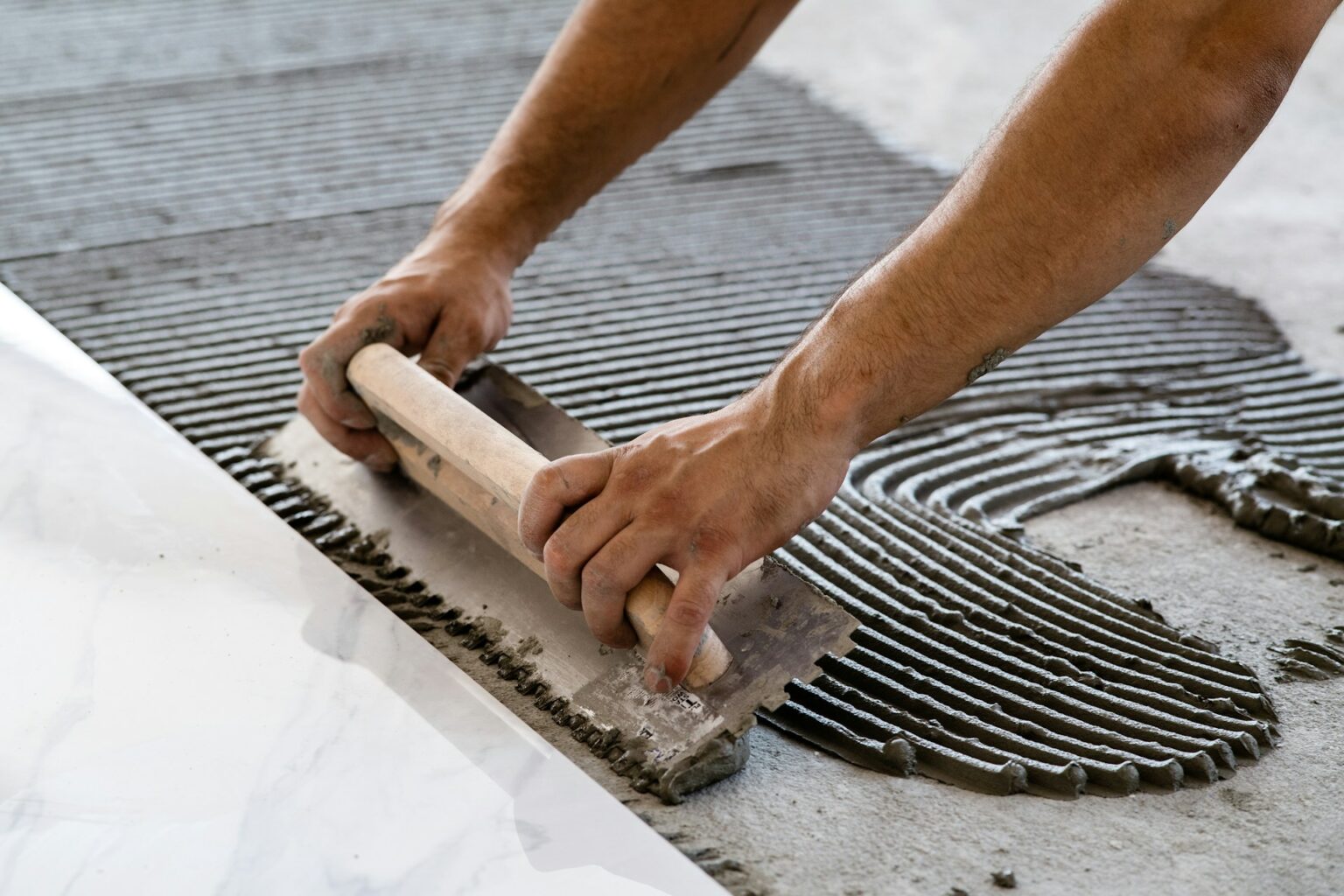
– Tile: Known for durability, tile still isn’t immune to seasonal shifts. Grout lines can crack or pull away if temperature swings are sharp or if water seeps through during freeze-thaw cycles.
One example we’ve seen often is in office lobbies. A vinyl tile floor might do great all spring and summer, but once winter hits in Omaha, moisture from coats, boots, and umbrellas takes a toll. If expansion and contraction weren’t accounted for when the floor was installed, basic seasonal changes could cause popping or tearing by February.
Paying attention to how each flooring material handles seasonal shifts can save you a lot of stress and money. Choosing the right floor for your building’s layout and the Midwest climate matters. So does keeping an eye on changing conditions throughout the year.
Winter Challenges
Cold weather brings its own unique problems for commercial flooring. In Omaha, winters can swing between dry indoor heat and wet outdoor mess, and that combo can wear floor finishes down faster than expected.
Moisture is probably the top issue. Snow and slush tracked inside can seep into seams, cause warping, or create slipperiness that nobody wants to deal with. Then there’s salt used to melt sidewalks and parking lots that gets ground into flooring and causes staining or surface breakdown over time.
Here are a few winter flooring problems to watch for:
- Water damage from melted snow or icy boots
- Salt residue building up and dulling floor surfaces
- Cracking from hard temperature swings between outdoors and heated indoor spaces
- Shrinking or gapping in certain materials like vinyl or older carpet tiles
- Slippery entryways causing slips or falls due to melted snow puddles
You can lessen the impact with a few changes in routine:
– Set up durable entryway mats inside and outside doorways
– Clean high-traffic areas more often during winter weather
– Use floor-safe, non-corrosive ice melt products when possible
– Inspect seams and edges monthly to catch early signs of wear or buckling
– Keep humidity levels balanced indoors to avoid shrinking or static buildup
Staying proactive during the winter months keeps problems from stacking up. It’s the kind of season where small oversights lead to bigger, costlier damage that could have been avoided with regular attention. Many flooring issues during colder weather don’t start with a flooring failure—they usually start with people and weather coming through the front door. Planning for that makes a solid difference.
Summer Considerations
If winter brings moisture and mess, summer comes with its own set of flooring headaches. Long days of sunlight, heavy humidity, and increased indoor activity can quietly wear down surfaces. In Omaha, the weather can shift between dry spells and sticky, humid stretches. That back-and-forth isn’t great for certain types of floors, especially in high-traffic commercial buildings.
Heat can cause some materials like vinyl and rubber to expand. If there’s not enough room left around the edges, you might see curling or seams that start separating. Wooden flooring, when used in commercial settings, can absorb moisture in humid conditions and swell or buckle. Even carpet isn’t off the hook. Moisture in the air paired with limited airflow can lead to odors or mildew if things aren’t regularly cleaned.
Some practical ways to reduce summer-related flooring issues include:
– Keeping the indoor AC system set at a steady temperature to limit extreme shifts
– Using dehumidifiers in large open areas or rooms with few windows
– Placing UV-protective film or shades on sun-facing windows to reduce direct sunlight
– Sticking to a stricter cleaning schedule for carpeted areas
– Monitoring indoor air circulation to prevent trapped heat or stale air
Take breakrooms in office buildings, for example. In the summer, microwaves and mini-fridges crank up the heat. Pair that with a lack of ventilation and the next thing you know, the vinyl flooring starts reacting. The same space that looked clean in the spring can start showing bubbles and wear faster if humidity control gets overlooked.
Being ready for the heat and humidity helps keep your flooring strong, clean, and steady, even during Omaha’s stickiest weeks.
Proactive Measures With Commercial Flooring Contractors In Omaha
Flooring problems rarely pop up out of nowhere. They build slowly, often going unnoticed until damage is obvious. While seasonal prep and regular cleaning help, one of the smartest moves any business can make is partnering with knowledgeable commercial flooring contractors in Omaha.
Contractors with local experience are tuned into how regional weather patterns affect different flooring types. They can help spot early warning signs, fix minor flaws before they get worse, and make sure the flooring in your building is ready to handle each season’s challenges. It’s not just about finding quick fixes either. These pros look at long-term performance.
Here are a few ways commercial contractors can make a difference:
– Routine inspections to catch damage from shifts in humidity or temperature
– Advice on selecting materials that hold up under Omaha’s seasonal extremes
– Professional cleaning methods that protect the finish while removing wear-causing debris
– Installation practices that leave room for material expansion and airflow
– Specialized equipment for repairs that reduce disruption to business operations
There’s a lot to gain from managing your floors the same way you manage HVAC or roofing systems—with a plan, not just a reaction. Whether you’re maintaining carpet, tile, or rubber flooring, working with a local contractor who understands the quirks of Nebraska weather can save you the stress of preventable repairs.
Keep Floors Holding Strong Through Every Season
Every season brings its own kind of wear and tear to commercial flooring. Whether it’s snow in January or humidity in July, skipping seasonal care can lead to damage that’s more expensive and time-consuming to fix than most folks expect. But when you stay ahead of the problem instead of chasing it, you help your flooring last longer and look better throughout the year.
The good news is that you don’t need a full overhaul every time the weather changes. Small adjustments in maintenance, temperature control, and material checks go a long way. An experienced flooring contractor can help fill in the gaps, giving you peace of mind while your space stays clean, safe, and functional no matter what season rolls around.
To keep your floors looking their best no matter the season, it helps to have support from local experts who understand the impact of changing weather. Working with trusted commercial flooring contractors in Omaha can make all the difference. Floors Inc. brings the experience and care needed to help your flooring stay strong and resilient throughout the year.